Exploring the Architectural Significance of Latifa Tower
Intro
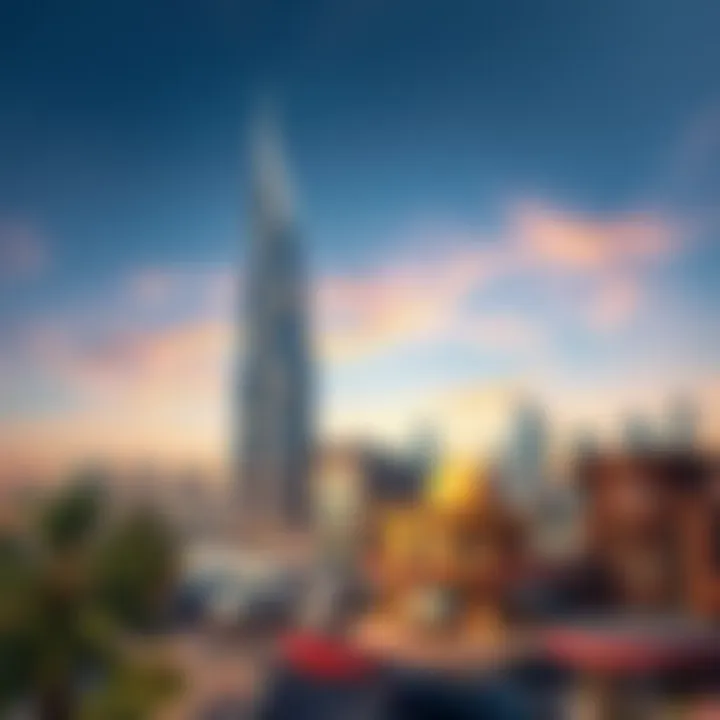
Latifa Tower, a striking presence on Sheikh Zayed Road, stands not just as an architectural project but as a testament to Dubai’s ambition and cultural evolution. Over the years, this skyscraper has garnered attention, becoming a symbol of modernity against the backdrop of the Gulf’s rich history. With its unique blend of innovation and tradition, Latifa Tower has not only altered the Dubai skyline but also reflected the lifestyle of those who work and live in its vicinity.
In our exploration, we will peel back the layers of Latifa Tower, unpacking its architectural significance, the implications of its design within Dubai’s urban landscape, and the lively community it nurtures. From local culture and events to the upscale lifestyle offerings, the tower encapsulates a vibrant microcosm of Dubai itself.
Prelude to Latifa Tower
Latifa Tower stands as a beacon of Dubai's architectural journey, encapsulating the essence of this city's ambition and transformation. The building isn't just a structure; it's a narrative woven with the threads of innovation, culture, and modernity. Delving into the importance of Latifa Tower unveils a tapestry of experiences and expectations that resonate with residents, visitors, and urban planners alike. This section serves to illuminate the dynamic relationship between Latifa Tower and its surrounding environment on Sheikh Zayed Road.
Geographic Location
Nestled on the iconic Sheikh Zayed Road, Latifa Tower occupies a pivotal position that commands attention. This thoroughfare is not just a route; it’s the heartbeat of Dubai, linking key zones, cultural hubs, and business districts. Situated close to landmarks such as the Dubai World Trade Centre and the Emirates Towers, Latifa Tower benefits from an accessible location that enhances its allure for both residents and businesses.
The approach to the tower is marked by the striking skyline, where Latifa stands tall against a backdrop of futuristic architecture. The tower’s proximity to major transport links, including the Dubai Metro, underscores its role as a hub for connectivity, making it a sought-after address for those looking to immerse themselves in the vibrancy of city life.
Architectural Significance
The architectural significance of Latifa Tower cannot be overstated. The building represents a fusion of contemporary design principles combined with cultural nuances that resonate deeply within Dubai's context. Designed to reflect the aspirations of a rapidly evolving metropolis, its sleek lines and glass facades mirror the city's progressive ethos. The tower's silhouette cuts an impressive figure on Sheikh Zayed Road, symbolizing growth and innovation.
Moreover, Latifa Tower employs advanced engineering techniques and sustainable building practices, making it a role model for future developments in the region. Employing cutting-edge materials, the design not only seeks to impress visually but also to endure the test of time and climate. The careful consideration of environmental factors in its construction showcases a commitment to sustainability—a key aspect for Dubai as it progresses towards a greener future.
"Latifa Tower is not merely an architectural feat; it embodies the spirit of what Dubai stands for—ambition, resilience, and a future where tradition meets innovation."
In summary, this section establishes a firm foundation for understanding what Latifa Tower represents in both geometric and cultural terms. As the article unfolds, the layers of its design philosophy, lifestyle contributions, and economic impact will become ever clearer, enriching our perception of this architectural marvel.
Historical Context of Sheikh Zayed Road
Understanding the historical context of Sheikh Zayed Road is vital to appreciate the significance of Latifa Tower and its role within the urban tapestry of modern Dubai. This thoroughfare, often called the backbone of the city, has undergone tremendous transformation since its inception. It serves not just as a road but as a symbol of growth, modernity, and economic prosperity in the region.
Sheikh Zayed Road Development Timeline
Sheikh Zayed Road, known originally as Defence Road, was initially established for military use. However, its rebranding in honor of Sheikh Zayed bin Sultan Al Nahyan marks a crucial turning point. The road began its transformation in the late 1970s when Dubai embarked on an ambitious urbanizing agenda.
- 1971-1980: The initial expansion phases focused on turning a basic route into a modern highway capable of supporting heavy traffic and linking Dubai to Abu Dhabi and Sharjah.
- 1980-1990: As skyscrapers began to sprout along the road, then dubbed Sheikh Zayed Road, investment surged. The area transformed into a bustling urban center representing Dubai's burgeoning economy.
- 1990-Present: Today, it is home to some of the tallest skyscrapers in the world, and this artery accommodates everything from residential and corporate offices to hospitality venues.
This timeline illustrates not only physical changes but also reflects the evolution of Dubai as a global city. It acts as a veritable timeline showcasing Dubai's rapid development and urban expansion.
Cultural Milestones
The cultural milestones tied to Sheikh Zayed Road embody both local heritage and international influence. Over the years, the road has played host to various cultural events, festivals, and exhibitions, making it a central hub for social engagement. Some noteworthy aspects include:
- Art Festivals: Numerous art exhibitions have taken place along the road, emphasizing Dubai's effort to present itself as a cultural magnet in the region.
- Annual Celebrations: Each year, events like UAE National Day and Dubai Shopping Festival see large gatherings and parades that echo through the area, bringing a festive atmosphere alive with lights and activities.
- Iconic Landmarks: Structures such as the Burj Khalifa and, of course, Latifa Tower stand as testaments to the architectural boldness that characterizes the area. They signify the community's aspiration and the city's progressive outlook.
The cultural milestones associated with Sheikh Zayed Road not only highlight the identity of Dubai but also reflect the city’s vision of a diverse and inclusive society.
The road thus serves not merely as a transport route but as a canvas upon which the stories of Dubai's inhabitants paint their aspirations and achievements.
In sum, the historical context of Sheikh Zayed Road represents the pulse of Dubai itself—an intricate blend of ambition, cultural engagement, and relentless growth, laying the groundwork for the architectural marvels like Latifa Tower that grace its skyline.
Design and Architecture of Latifa Tower
Delving into the design and architecture of Latifa Tower reveals not just an aesthetic wonder but also a profound statement about Dubai's technological advancements and cultural aspirations. This section examines the architectural style, materials used, construction techniques, and sustainability features of the tower, providing insights into how each element contributes to its overall significance.
Architectural Style
Latifa Tower's architectural style embodies a modern twist on traditional Islamic design elements. With its sleek lines and soaring height, the tower captures the essence of contemporary architecture while paying homage to the region's rich heritage.
- The exterior showcases geometric patterns that echo Islamic art, integrated into a polished glass facade. This juxtaposition creates a stunning visual impact—akin to seeing a diamond glistening in the desert sun.
- The design is not merely for show; it also maximizes natural light, allowing interiors to radiate warmth while reducing dependency on artificial lighting. The result is a building that breathes elegance and harmony.
Materials and Construction Techniques
When it comes to materials, Latifa Tower utilizes advanced composites and high-quality glass, ensuring both durability and visual appeal. The construction techniques employed reflect innovation at its finest:
- Reinforced concrete gives the structure stability, crucial for its silhouette piercing the skyline.
- The application of high-performance glass contributes to energy efficiency, effectively controlling heat while ensuring breathtaking views.
- Innovative prefabrication methods reduce construction time and minimize waste, making the rise of Latifa Tower not just quick but also environmentally conscious.
Even the landscaping surrounding the tower employs local flora, harmonizing with its desert setting, which is an important factor in Dubai's approach to urban planning.
Sustainability Features
In an era where sustainability is paramount, Latifa Tower sets a precedent with its environmental considerations. Key features include:
- Energy-efficient systems that reduce electricity consumption, from smart lighting to advanced HVAC systems.
- Rainwater harvesting initiatives that not only contribute to irrigation but also lessen the strain on municipal water supplies.
- Green roofs and terraces, which enhance biodiversity and improve air quality, creating an oasis of calm amidst the urban bustle.
The incorporation of these sustainable practices makes Latifa Tower a role model for future developments in Dubai and beyond, illustrating how architectural grandeur can harmonize with ecological responsibilities.
In summary, the design and architecture of Latifa Tower are not mere afterthoughts but integral components of its identity. It is a building that balances elegance with purpose, historical resonance with modern practicality, all while setting benchmarks for sustainability in urban environments.
Key Features of Latifa Tower
When discussing the architectural marvels of Dubai, it's impossible to overlook the Latifa Tower. This skyscraper isn’t just about height; it packs in essential features that serve both residents and the bustling community around it. Emphasizing a harmonious blend of luxury and practicality, the key features of Latifa Tower encapsulate what it's like to live and work in one of Dubai’s most iconic structures.
Residential and Commercial Spaces
Latifa Tower provides an intricate mix of residential and commercial spaces, expertly designed to cater to the dynamic urban lifestyle of Dubai. On the upper floors, luxurious residential units boast breathtaking views of the Dubai skyline and the Arabian Gulf. These units range from finely furnished one-bedroom apartments to expansive penthouses, outfitted with modern amenities.
The tower’s design maximizes natural light, creating an inviting atmosphere throughout. The presence of state-of-the-art kitchens and smart home technologies elevate the living experience, making the abode not just functional but a personal sanctuary amidst the vibrant city.
On the lower floors, commercial spaces cater to businesses from various sectors. The flexible layouts suit everything from retail boutiques to corporate offices, making it a go-to spot for entrepreneurs. This multi-use concept encourages synergy between residents and businesses, fostering a tight-knit community.
"The integration of residential comfort and commercial activity within Latifa Tower reflects a modern urban philosophy, where living and working are seamlessly interconnected."
Recreational Facilities
In addition to residential and commercial spaces, Latifa Tower doesn't skimp on recreational facilities, offering a range of amenities designed to enhance the quality of life. An expansive rooftop pool serves as a luxurious oasis, ideal for lounging while soaking in the stunning views of the cityscape. Surrounding the pool area, meticulously landscaped gardens offer a touch of nature, counterbalancing the urban environment.
Fitness enthusiasts will appreciate the well-equipped gym, featuring the latest equipment, complementing a variety of exercise classes. For those seeking a peaceful retreat, dedicated wellness areas and relaxation zones provide a sanctuary for yoga and meditation.
Moreover, communal spaces, such as lounges and meeting rooms, encourage residents to foster relationships and collaborate on ideas. This blend of recreational facilities caters to the diverse needs of those who inhabit the tower, making it a true embodiment of modern urban living.
Closure
The key features of Latifa Tower encapsulate a dazzling synthesis of luxury, function, and community living, setting a benchmark for architectural excellence in Dubai. The tower stands not just as a building, but as a vibrant hub that supports the lifestyle and aspirations of its residents while enhancing the overall urban fabric of Sheikh Zayed Road.
Latifa Tower and Dubai’s Skyline
The Latifa Tower stands as a notable beacon in Dubai's skyline, contributing to the city’s image as a center of innovation and progress. This tower is not merely a structure; it serves as a symbol intertwining the ambitions of Dubai with its architectural narrative. The importance of Latifa Tower lies in its strategic positioning and design, which highlight the city's commitment to blending modernity with cultural heritage.
Visual Impact on Urban Landscape
When one gazes upon the spectacular spread of Dubai's skyline, Latifa Tower captures attention like a magnet. Its unique design and towering height create a striking silhouette against the blue expanse of the sky. This visual dominance plays a crucial role in shaping the urban landscape of the city.
From afar, the tower's reflective glass facade catches the sunlight, creating a dazzling display that shifts throughout the day. The way the building interacts with its surroundings offers a feast for the eyes, drawing both residents and tourists alike to explore its base and nearby attractions.
- Symbol of Modernity: Latifa Tower showcases contemporary architectural styles while preserving elements that resonate with local cultural motifs.
- Nighttime Aesthetic: When night falls, the tower's illumination offers an ethereal glow, contributing to the city's vibrant nightlife and making it a popular spot for nightlife seekers.
It greatly enhances the urban fabric, providing a sense of cohesion within the diverse architectural tapestry of Dubai. The tower not only serves functional purposes but also beautifies the city, shaping the identity of the neighborhood and beyond.
Comparison with Neighboring Structures
In the broader context of Dubai's skyline, Latifa Tower stands shoulder to shoulder with other architectural wonders such as the Burj Khalifa and the Emirates Towers. Each of these buildings has its distinct character, yet all complement one another in a symbiotic visual harmony.
- Burj Khalifa: The tallest building in the world, Burj Khalifa, towers over all, creating a sense of awe. However, Latifa Tower’s design offers a contrast that balances the vertical dominance.
- Emirates Towers: The Emirates Towers exhibit a sleek, modern form, which can be seen as a dialogue with Latifa Tower's unique design choices while offering business and luxury spaces.
This interplay among structures enriches the skyline, marking Dubai as a global example of modern urban planning and design.
In summary, Latifa Tower is more than just a building; it significantly enhances the urban vista of Dubai, creating an iconic image that resonates with residents and visitors alike. Its thoughtful design, along with the synergy it shares with neighboring structures, makes it an indispensable part of the architectural narrative in this bustling metropolis.
"Dubai’s skyline is a testament to modern living—where each building tells a story and Latifa Tower adds a crucial chapter to that tale."
For further reading about Dubai’s iconic architecture, you may check these resources:
- Wikipedia - List of tallest buildings in Dubai
- Britannica - Architecture of the United Arab Emirates
- Reddit - Dubai’s Architectural Evolution
- Dubai Municipality - Urban Planning
Economic Influence of Latifa Tower
The presence of Latifa Tower on Sheikh Zayed Road goes far beyond its striking silhouette and architectural prestige; it acts as a catalyst for economic growth in Dubai. Understanding the economic repercussions of such an iconic structure reveals insights into why Latifa Tower is more than just a place to live or work. It serves multiple roles that contribute to Dubai's economy, adding both immediacy and long-term benefits to the community and beyond.
Impact on Local Economy
Latifa Tower significantly impacts the local economy in several ways. Firstly, its construction provided thousands of jobs to local laborers, engineers, and architects. When one looks around at the shiny buildings and bustling streets, it’s clear that every brick laid has a story tied to the economic framework of the city. The ripple effect doesn’t stop there; once operational, the tower houses a diverse range of businesses, which continue to offer employment to residents and expatriates alike.
Moreover, commercial spaces within Latifa Tower attract both local and international businesses, which in turn amplify trade opportunities. Having a presence in such a prominently located structure enhances brand visibility and serves as a magnet for clients and consumers. As a result, many companies in fields like technology, retail, and hospitality choose to set up shop here, driving competition and stimulating innovation.
Additionally, this tall marvel isn't merely a local player—it often draws international events, conferences, and trade fairs, which inject considerable financial lifeblood into the area. The influx of professionals visiting for these occasions provides further economic boosts through spending on services such as hotels, restaurants, and transportation.
The economic contributions of Latifa Tower intertwine with the larger narrative of Sheikh Zayed Road, which is itself a vital artery of trade and commerce in Dubai.
Tourism and Visitor Attraction
Tourism figures do not lie; Latifa Tower is an attraction in itself. The architectural grandeur and modern amenities draw tourists from around the globe, a testament to Dubai's allure as a destination. Visitors are often struck by the tower’s sleek design, social spaces, and panoramic views, making it a must-see on any itinerary.
The tower not only serves those who live and work within its walls but also caters to the curiosity of tourists, acting as a backdrop for countless photos and memories.
When exploring Latifa Tower, tourists can explore nearby attractions that amplify their experience, such as shopping malls, charming cafes, and cultural exhibitions. This piquant combination fortifies the tourism framework of Dubai. Indeed, the foot traffic generated by tourists supports many small businesses, further fostering economic diversity.
In essence, the engagement of visitors with Latifa Tower extends beyond mere admiration; it stimulates economic activities, supporting local artisans, vendors, and service providers. Attention to details, such as guided tours or unique experiences, could offer even more significant economic benefits, maintaining a steady stream of visitors.
"Latifa Tower stands tall not just in stature but in its contribution to shaping the economic landscape of Dubai, linking culture, commerce, and community in ways that few structures can."
The comprehensive influence of Latifa Tower on the economy illustrates a well-rounded narrative of progress that aligns with Dubai's vision for the future. As the city continues to evolve, the tower will remain a fixture, always connected to the dynamics that spur economic vitality.
Cultural Significance of Latifa Tower
Latifa Tower stands as a striking emblem of contemporary Dubai, embodying not just architectural virtuosity but also holding profound cultural significance. As a landmark on Sheikh Zayed Road, it resonates with the aspirations and identity of the city. The tower serves as a bridge between tradition and modernity, symbolizing the extraordinary growth and transformation of Dubai over the years.
Symbolism in Modern Dubai
In the rapidly evolving skyline of Dubai, Latifa Tower represents more than mere height and structure. It symbolizes the resilience and ambition of the people who inhabit this vibrant metropolis. The tower's design draws inspiration from traditional Islamic architecture, incorporating elements that echo the rich cultural heritage of the region while simultaneously embracing modern aesthetics.
This fusion reflects Dubai's spirit, where ancient traditions coexist with cutting-edge contemporary practices. The use of glass and steel signifies transparency and openness, attributes that resonate well with the values of innovation and progress that Dubai aims to project. Moreover, Latifa Tower stands as a beacon for Emiratis and expatriates alike, demonstrating the desert city’s push toward becoming a hub of global commerce and culture.
"Latifa Tower is not just an architectural feat; it's a statement of identity and ambition for Dubai's multicultural community."
Cultural Events and Activities
Latifa Tower plays an active role in the cultural landscape of Dubai, often hosting various events that reflect the essence of the city's dynamic spirit. From art exhibitions showcasing local and international talent to business forums that discuss the latest trends shaping urban development, the tower is at the forefront of cultural engagement.
- Art Exhibitions: Regularly featuring art installations and exhibitions, Latifa Tower provides a platform for emerging artists to display their work, contributing to the local art scene and fostering community interactions.
- Business Conferences: As a center for commerce, the tower frequently hosts conferences that attract industry leaders from various sectors. These gatherings not only enhance professional knowledge but also enrich the cultural dialogue among participants from diverse backgrounds.
- Public Gatherings: During festivals or national holidays, the base of Latifa Tower often becomes a venue for public celebrations, uniting residents and tourists in a shared experience of Dubai's cultural fabric.
These activities emphasize how Latifa Tower is more than a physical structure; it is a vital component of Dubai's cultural identity, engaging its community through shared experiences and celebrations. The tower, standing tall in the heart of the city, continues to shape and redefine what it means to be part of Dubai's ever-evolving narrative.
The Future of Latifa Tower
As we shift our gaze forward toward the future of Latifa Tower, it's crucial to underscore its significance not just as a structural feat, but as a beacon of urban aspirations. Positioned vividly on Sheikh Zayed Road, the tower is more than just a high-rise; it encapsulates a vision of growth, innovation, and sustainability that mirrors Dubai's ambitions. The forthcoming developments and projects being planned around Latifa Tower hold the promise to redefine not only the tower itself but also the surrounding landscape.
The narrative surrounding the future of Latifa Tower weaves through several key threads—potential architectural enhancements, evolving technologies in construction, and a commitment to sustainability. Each element plays a pivotal role in how the tower will integrate into the ever-shifting urban fabric of Dubai.
Potential Developments
Interest in Latifa Tower continues to surge, spurred by several forthcoming developments that aim to elevate its status. Recent discussions around its future have resulted in several proposals. For instance:
- Smart Building Technologies: Plans are being drawn to incorporate more advanced smart technologies, enhancing the tower’s operational efficiency and security.
- Vertical Gardens and Green Spaces: As urban dwellers crave nature amidst concrete, the addition of vertical gardens could offer a refreshing breath of fresh air, contributing to better air quality.
- Cultural and Community Spaces: Proposals suggest that the lower levels could be reimagined to host art galleries and cultural exhibitions, thereby fostering community interactions.
By embracing these developments, Latifa Tower stands on the brink of becoming an even more adaptable and community-oriented space.
Role in Urbanization Projects
Latifa Tower will play a crucial role in several larger urbanization initiatives underway in Dubai. With the city's skyline perpetually evolving, the tower is set to anchor various projects that promote cohesive urban growth.
- Integrating Transport Links: There are ongoing talks about expanding public transport connectivity directly to Latifa Tower. Improved links can alleviate traffic snarls and make it easier for residents and tourists alike to access the tower and its amenities.
- Expansion of Mixed-Use Developments: Surrounding areas are being redesigned to incorporate mixed-use developments that blend residential, commercial, and recreational spaces—helping create a vibrant urban community.
- Promoting Sustainable Practices: In alignment with Dubai's long-term sustainability goals, future projects linked to the tower may focus on implementing renewables, waste recycling, and energy-efficient systems.
Overall, by embracing the ambitions surrounding these urbanization projects, Latifa Tower positions itself not merely as an individual structure but as a contributing player in the broader narrative of Dubai’s architectural and cultural evolution.
"The future is not something we enter. The future is something we create."
This insight perfectly resonates with the vision behind Latifa Tower's future. As it evolves, it’s set to embody a blend of tradition and modernity, reflecting not only the skyline of today but the aspirations of tomorrow.
The End
The conclusion of this article serves as an essential touchstone for understanding the intricate layers of significance surrounding Latifa Tower. As we have explored, this architectural gem is not just a structure; it is a testament to the ambitious spirit of modern Dubai. The importance of synthesizing our discussions lies fundamentally in recognizing how Latifa Tower embodies the fusion of innovative design, cultural resonance, and economic vitality in a rapidly urbanizing landscape.
Recapitulating Key Insights
Throughout the discourse, several key insights emerge that reinforce Latifa Tower's standing in Dubai's architectural narrative:
- Architectural Mastery: The tower showcases a remarkable blend of contemporary design and traditional aesthetics, reflecting the cultural richness of the region while appealing to a global audience.
- Cultural Role: Beyond its physical presence, Latifa Tower serves as a cultural symbol for both residents and visitors, encapsulating the values and aspirations of a diverse community.
- Economic Engine: The tower plays a critical role in boosting the local economy, attracting businesses, expats, and tourists alike, thereby affirming Dubai's status as a crucial player on the global stage.
- Sustainable Practices: Its incorporation of sustainable features signals a forward-thinking approach to urban development, crucial for the future of city living.
These insights underline how the Latifa Tower is not merely an architectural feat but a significant part of Dubai’s identity.
Final Thoughts on Latifa Tower
In reflecting on Latifa Tower, it becomes clear that this iconic structure represents much more than physical space. It symbolizes the convergence of vision, ambition, and cultural heritage. For residents, it’s a daily reminder of home; for tourists, a gateway to discovery; for planners and marketers, an emblem of what is possible in urban development.
As Dubai continues to grow and redefine itself, the lasting impact of Latifa Tower cannot be understated. This structure stands poised to influence future architectural trends, inspiring new generations of designs that prioritize not just aesthetics but functionality and sustainability as well.
Ultimately, Latifa Tower encapsulates the essence of an ever-evolving city, challenging perceptions and setting benchmarks for what lies ahead in the realm of architecture.