Exploring Rashid Building: A Cultural Landmark in Dubai
Intro
The Rashid Building stands as a testament to the architectural and cultural evolution of Dubai. Positioned prominently amid the bustling energy of the city, this landmark is not merely a structure but rather a canvas that captures the essence of Dubai's rich history. From its historic roots to its role as a nucleus of community engagement, the Rashid Building has transcended its initial purpose to become a vital piece of the urban tapestry. In the following sections, we will delve into the local culture surrounding this edifice, exploring relevant festivals, community activities, and the lifestyle amenities that enrich the lives of those who live, work, and visit this vibrant area.
Local Culture and Community
Cultural Festivals and Events
Rashid Building acts as a backdrop to several cultural festivals that showcase Dubai's diverse heritage. Events held here often reflect the confluence of traditional and modern influences, celebrating the local Emirati culture while embracing the many nationalities that call this city home. Dubai's Summer Surprises, for example, occur annually and transforms the building's surroundings into a lively carnival of art, music, and performances. Visitors can enjoy displays of local crafts, traditional dance performances, and an array of food stalls offering a taste of Emirati cuisine.
Moreover, special occasions like UAE National Day spotlight the love for the homeland with parades and fireworks illuminating the sky above the Rashid Building, creating an experience that binds both locals and tourists alike in a spirit of unity.
Community Engagement and Activities
Beyond festivals, community engagement at the Rashid Building fosters a sense of belonging. Numerous workshops, community meetings, and cultural discussions take place here, giving residents and expatriates a platform to voice their ideas and share their experiences. For instance, quarterly art exhibits allow local artists to display their work, serving not just as a showcase but also as a networking opportunity for creatives within the community.
The building also accommodates spaces for gatherings where locals engage in dialogues about social issues, environmental concerns, and community development. Such events cultivate a spirit of collaboration among participants, ensuring that the voices of various groups within the community are heard and appreciated.
Lifestyle and Amenities
Dining and Culinary Experiences
The culinary scene surrounding the Rashid Building is vibrant and diverse, catering to a broad spectrum of palates. Here, both gourmet dining and casual eateries coexist, crafting unique experiences that enhance the lifestyle of residents and tourists alike. Visitors can relish the rich flavors offered by local favorites, such as lamb machboos or freshly baked khobz, alongside international cuisines that reflect the eclectic mix of cultures found in Dubai.
Some notable restaurants in the vicinity include the Al Machboos known for its authentic regional dishes and the Zaroob, which delights foodies with its blend of Middle Eastern fast food. Each dining venue adds to the cultural mosaic, offering more than just meals but experiences that evoke a deep appreciation for the culinary arts.
Recreational and Entertainment Options
Recreational activities abound near the Rashid Building. Residents and visitors can engage in leisurely walks at adjacent parks or take part in community-organized sport events. The area boasts multiple facilities where activities range from soccer to yoga under the Dubai sun.
Additionally, shopping options are plentiful, with both traditional markets and modern malls a short stroll away. The historical Old Souk allows visitors to experience Dubai’s trading heritage while nearby Dubai Mall offers a more contemporary shopping experience.
Community cinemas and theaters host regular screenings and performances, ensuring entertainment is never too far away from Rashid Building's doors. All these aspects collectively enhance the lifestyle of the area, keeping both excitement and engagement alive.
"The Rashid Building is not just an architectural feat; it's a reflection of Dubai itself—dynamic, diverse, and deeply rooted in culture."
For those wishing to explore further, resources like Wikipedia on Dubai, Britannica, and local forums on Reddit offer additional insights into the local culture and the building's vibrant surroundings.
Prolusion to Rashid Building
Rashid Building is more than just an edifice in Dubai; it’s a significant part of the city’s architectural narrative and cultural landscape. Nestled among the skyscrapers and bustling streets, it stands as a testament to the city's historical evolution and urban identity. This section sets the stage for a deeper exploration of what makes the Rashid Building noteworthy, focusing on its historical roots and distinct architectural characteristics that continue to resonate with the community and visitors.
With its rich past and striking design, the Rashid Building encapsulates the essence of Dubai's journey from a modest fishing village to a global metropolis. Understanding its historical background is essential as it unveils the layers of social and cultural significance that surround it. Furthermore, the architectural overview highlights the unique features that draw the eye and stir the imagination, showcasing how form and function coalesce seamlessly.
The importance of this topic lies in its ability to connect diverse audiences—residents who appreciate the landmarks of their city, expatriates and tourists seeking a genuine cultural experience, and planners and marketers looking for insights into urban development. By delving into the Rashid Building, we can appreciate its role as a cultural anchor and a symbol of architectural prowess.
Historical Background
The historical roots of Rashid Building can be traced back to the late 20th century, a period characterized by socio-economic transformation in Dubai. Initially constructed during a time of rapid modernization, the building gained prominence as a hub for both residential and commercial activities. These attributes reflect the broader trends in urbanization that swept across the UAE, fueled by the discovery of oil.
Built in 1972, Rashid Building was instrumental in establishing Dubai as a forward-thinking urban center. It served not just as a place to live or work; it encapsulated a unique blend of tradition and modernity. This juxtaposition piqued interest and drew inhabitants from various walks of life, marking the beginning of its cultural significance.
The building has witnessed many changes throughout the decades. From housing local merchants in its early days to becoming a favored locale for expatriates and tourists, its adaptability mirrors Dubai’s own evolution. Key events have taken place within its walls, where various communities have engaged in vibrant exchanges.
"Rashid Building is a historical mirror reflecting Dubai's rapid transformation. It holds stories of the past and hopes for the future."

Architectural Overview
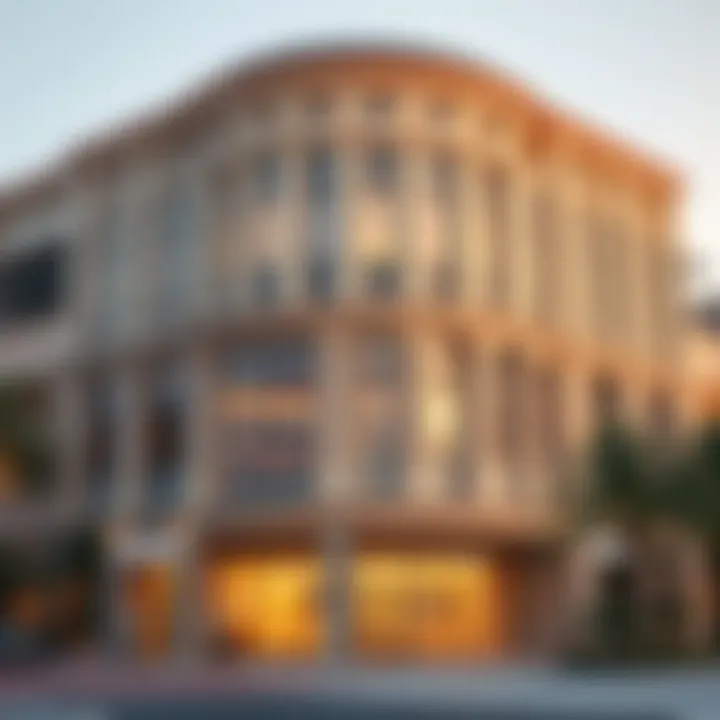
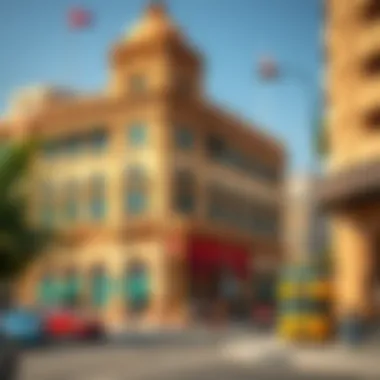
The architectural design of Rashid Building merits close examination. Its structure boasts a striking combination of modernist principles and Islamic aesthetics, making it a compelling landmark. The building's facade is characterized by large windows that allow natural light to flood the interior, balancing openness with privacy—an essential consideration given the community's diverse demographic and cultural makeup.
One notable feature is the incorporation of traditional motifs, connecting the building to the region's rich heritage. Elements like geometric patterns and ornamental arches are thoughtfully integrated into modern designs, symbolizing a bridge between then and now.
The building's layout promotes a sense of community while allowing for functional modifications as needs evolve. It stands as a reminder that architecture is not just about constructing walls; it's about creating spaces that foster relationships and cultural exchange.
Ultimately, the significance of the Rashid Building transcends its visual appeal. It encapsulates the narrative of a city that continually reinvents itself while remaining rooted in history, serving as a cultural and architectural icon in Dubai.
Cultural Significance of Rashid Building
The Rashid Building stands as a testament to the cultural tapestry of Dubai, intertwining strands of history, identity, and community engagement. Its architectural form reflects more than just structural prowess; it serves as a voice of the local populace, forging connections between the past and the present. By examining its significance, we can appreciate how a mere building can morph into a linchpin for local identity and cultural pride.
Community Engagement
At the heart of Rashid Building lies a vibrant sense of community engagement. It fosters a platform for local residents and expats alike, where cultural dialogues thrive. Various community initiatives, workshops, and local gatherings frequently take place here, pulling people from diverse backgrounds together.
One notable example is the Dubai Arts Festival, held annually, showcasing talents from UAE’s burgeoning art scene. During this event, the Rashid Building transforms into an exhibit space, allowing artists to display their work and engage directly with the public. This interaction is critical; it enables a fusion of different cultures and helps establish relationships among individuals who otherwise might never cross paths. Local schools often participate, too. They bring students to showcase their artistic endeavors, thereby promoting youth involvement in cultural activities.
Moreover, on weekends, the surrounding area buzzes with markets featuring homemade crafts and culinary offerings from various cultures. Such events not only boost the local economy but strengthen community ties. People come together, sharing stories and traditions while shopping or trying out new foods. This aspect of community engagement highlights how Rashid Building serves as a microcosm of Dubai—diverse but united.
Art and Expression
The Rashid Building is a magnet for art and expression, demonstrating how a structure can become a canvas for cultural narratives. The exterior often showcases murals and modern installations created by local artists; each piece tells a story unique to the region. As visitors approach the building, they are greeted not only by its architectural presence but also by vibrant displays of creativity stitched into its fabric.
Inside, galleries and art studios contribute to a space where artistic expression thrives. Local artists often hold exhibitions here, ranging from traditional Emirati art forms to contemporary interpretations that reflect the globalized nature of Dubai. Such diversity invites dialogue around cultural identity and artistic freedom. The building is not simply a backdrop—it is a participant in the creative process, assisting artists in gaining visibility in a competitive landscape.
Additionally, the foliage around Rashid Building complements this vibrant atmosphere. Open-air spaces and gardens serve as informal venues for poetry readings and music performances, enriching the cultural exchange further. People gather on benches or grassy patches, creating a communal vibe that echoes appreciation for the arts.
Rashid Building isn’t just a significant architectural site; it is an evolving repository of cultural expression, providing a stage for innovation while honoring traditional art forms. Through community engagement and artistic endeavors, it continues to stand at the forefront of Dubai’s cultural renaissance.
The Rashid Building exemplifies how architecture can become a cultural landmark, nurturing community ties and fostering artistic expression within a rapidly changing environment.
Architectural Features of Rashid Building
The architectural features of the Rashid Building are not just mere aesthetics; they embody historical and cultural significance that speaks volumes about Dubai's evolution. This landmark is more than a façade; it is an expression of identity and a testimony to innovative urban design. Its features showcase a blend of tradition and modernity, marking the transition of Dubai into a cosmopolitan hub.
Design Elements
At first glance, the design of Rashid Building captivates with its bold lines and intricate detail. The construction employs a unique combination of geometric patterns and horizontal planes. This interplay creates shadows and light, giving the building a dynamic essence throughout the day. The architecture reflects Islamic influences, with features like pointed arches and ornate tile work that evoke a sense of the region's rich heritage.
The entrance is particularly striking; large, welcoming doors frame a vast open lobby that doubles as a gathering space for local events. The layout inside is intuitive, designed to facilitate a natural flow of movement, enabling visitors to navigate the building smoothly. The aesthetics not only draw the eye but also invite individuals to engage with the space, fostering an environment that encourages community interaction.
Materials Used
Material choice plays a pivotal role in the overall integrity and appearance of the Rashid Building. Local sources were prioritized, and the use of sandstone is notable. This not only pays homage to the local environment but integrates the building seamlessly into its surroundings. Sandstone provides both stability and resilience, making it suitable for the climatic demands of Dubai.
In addition, glass facades are strategically placed to allow natural light to pour in, reducing dependence on electric lighting during daylight hours. The juxtaposition of heavy stone with transparent glass creates an engaging contrast, symbolizing the fusion of history and modernity. Environmentally conscious decisions were taken here, as the materials used are designed to support longevity while minimizing environmental impact, reflecting a forward-thinking approach.
Sustainability Aspects
Sustainability is a critical conversation in today’s architectural landscape, and Rashid Building stands as a model in this regard. The design incorporates energy-efficient systems that significantly reduce the carbon footprint. Features such as solar panels and rainwater harvesting systems underline a commitment to sustainability, demonstrating that modern architecture can coexist with environmental preservation.
Moreover, the layout of the building promotes natural ventilation. Windows are intentionally oriented to capture prevailing breezes, reducing the need for air conditioning. This not only lowers energy costs but enhances occupant comfort. Additionally, landscaping around the building includes native plants that require minimal water, further highlighting sustainable practices in urban design.

"The architectural features of Rashid Building act as a bridge, connecting Dubai's storied past with its dynamic future."
Rashid Building's Role in Modern Dubai
The Rashid Building holds not just an essence from yesteryears but also plays a crucial part in shaping the contemporary landscape of Dubai. As the city burgeons into a global hub of culture, business, and innovation, this landmark stands as a testament to the melding of tradition and modernity. Its role is multifaceted, encompassing urban development and positive economic ramifications that ripple throughout the community.
Integration with Urban Development
In the bustling tableau that is Dubai, the Rashid Building serves as a fulcrum around which urban development has pivoted. Situated in a strategic locale, it acts as a magnet for various commercial and residential initiatives. The distinct architectural style of the building offers an ideal juxtaposition against the skyscrapers that dominate the skyline, creating a visual narrative that tells the story of a city in transition.
Moreover, the building's presence has catalyzed an increase in green spaces and recreational areas nearby, promoting a more sustainable urban environment.
- Enhanced Aesthetics: By maintaining a unique architectural presence, it helps preserve the aesthetic integrity of the region, supporting planners in their quest to merge modern architecture with traditional motifs.
- Community Spaces: The area surrounding the Rashid Building has encouraged the development of parks and recreational facilities, made possible by the influx of visitors and residents.
In essence, the Rashid Building not only punctuates the urban skyline but also enriches the narrative of Dubai's growth, acting as a beacon for new developments to flourish near its vicinity.
Impact on Local Economy
The economic advantages surrounding the Rashid Building can't be understated. As an anchor point within its environment, the building influences local markets remarkably. Businesses and tourism thrive due to its stature, reaffirming the symbiotic relationship between architecture and economics in a growing metropolis.
- Job Creation: The influx of tourists, influenced by the prominence of the Rashid Building, has spurred job creation in hospitality, retail, and service sectors.
- Business Opportunities: Local entrepreneurs find opportunities in the area ranging from artisanal shops to high-end dining establishments. This economic dynamism boosts not just local patrons, but also attracts international tourists, making the building an economic linchpin.
"Rashid Building isn’t just a structure; it’s a vital artery of economic vitality pulsating through the heart of modern Dubai."
The long-term effects on the local economy are evident. Vendors have adapted their services, making offers that echo cultural elements resonating from the building itself, creating a cycle of prosperity that underscores the significance of the Rashid Building in Dubai’s modern economic narrative.
Surrounding Infrastructure
The surrounding infrastructure of the Rashid Building plays a pivotal role in enhancing the visitor experience and facilitating the interaction between the landmark and its environment. This infrastructure not only supports the functional aspects needed for everyday use but also contributes to the cultural and social dynamics of the area, making it an integral part of what makes Rashid Building significant.
Transport Links
Transport links are the veins through which the lifeblood of a city flows. For the Rashid Building, its connectivity to various forms of transportation underscores its accessibility and relevance. The primary modes of transport accessible from this landmark are:
- Metro Services: The Dubai Metro's Green Line offers a nearby station, making it incredibly easy for residents and tourists alike to reach Rashid Building without the hassle of traffic.
- Bus Routes: A network of bus services circles the vicinity, further enhancing public access. These buses cater especially to those who prefer a more budget-friendly route to explore the city’s wonders.
- Road Access: The road system surrounding the building has been designed with both local traffic and visitors in mind. Wide avenues and clear signage guide pedestrians and drivers alike to this cultural hotspot. Moreover, ample parking is available for those who wish to drive.
- Water Transport: The nearby Dubai Creek offers yet another layer of connectivity. Water taxis allow for a scenic route to the building, bathing visitors in the rich history that the creek embodies.
The availability of such diverse transport options not only facilitates ease of movement but also encourages greater foot traffic, enhancing the building's role in the community. As the saying goes, "You can't get there from here," but in the case of Rashid Building, you can get anywhere with just a hop, skip, and a jump.
Nearby Amenities
It’s not just about getting to the Rashid Building; what’s around it matters too. Nearby amenities significantly enrich the experience for both locals and tourists. Consider these aspects:
- Cafés and Restaurants: A selection of eateries catering to various tastes surrounds the building. Whether one is in the mood for traditional Emirati cuisine or international fare, there is something to please the palate.
- Shopping Options: Local markets and shops cluster around, offering a variety of goods from clothing to souvenirs. This allows visitors to indulge in a shopping spree without straying far from the cultural epicenter.
- Parks and Recreational Spaces: Green spaces nearby provide an oasis amid the bustling city. Areas for relaxation or casual strolls are crucial for decompressing after a visit to the building.
- Cultural Institutions: Just a stone's throw away are museums and galleries which serve to deepen the understanding and appreciation of Dubai’s rich heritage. The closeness of these institutions enables an immersive cultural experience that goes beyond just visiting the Rashid Building.
In essence, the surrounding amenities foster a vibrant community atmosphere. The Rashid Building stands not only as a testament to architectural brilliance but also as a gateway to a plethora of experiences waiting to be discovered.
The seamless synergy between the Rashid Building and its infrastructure transforms a simple visit into a full-fledged cultural journey.
Each of these elements, transport links and nearby amenities, work in harmony to elevate the Rashid Building's status as a cultural and architectural landmark. Their interconnectedness ensures that the building remains central to the very fabric of Dubai, drawing in a diverse crowd eager to engage with its rich offerings.
Visitor Experience and Activities
Visiting the Rashid Building is much more than just a trip to an architectural marvel. It immerses travelers into the rich tapestry of Dubai's culture, allowing them to engage with both history and contemporary art. This section delves into the various elements that enhance the visitor experience and the activities awaiting in and around this landmark.
Guided Tours of Rashid Building
Guided tours at Rashid Building offer a comprehensive exploration of its history and significance. This experience is structured to guide not only the curious tourists but also local residents wanting to deepen their understanding of their cultural heritage. As visitors step inside, they are greeted by knowledgeable guides who provide insight into the architectural choices made during the building's construction and the intentions behind its design.
These tours are typically tailored to different audiences. For instance, school groups may be given a special focus on the educational aspects, exploring the scientific innovations represented in the building’s design. Alternatively, art enthusiasts might dive deeply into the cultural expressions manifested within the structure, connecting visitors with local artists and their works exhibited there.
In addition to providing facts, the guides often share stories that breathe life into historical dates, helping visitors visualize what life was like in earlier times. Venturing into lesser-known spaces within the building, visitors catch glimpses of artistic installations and artifacts that reflect the cultural context, making the entire experience vibrant. It’s almost as if one can hear whispers of the past echoing down the halls.
Cultural Events Hosted
Rashid Building is not just a static site; rather, it serves as a vibrant hub for cultural events throughout the year. From art exhibitions to local music performances, the building regularly hosts activities that attract a wide range of audiences. These events facilitate networking among artists, thinkers, and community members, making it a focal point for cultural exchange in Dubai.
Some highlights include:
- Art Exhibitions: Showcasing both established and emerging talents from the region, these exhibitions often tackle themes that resonate deeply with local experiences.
- Workshops: Aimed at fostering creativity, workshops allow participants to engage directly with artists and learn new skills, from painting to traditional crafts.
- Festival Celebrations: During local festivals, the building transforms into a vibrant space filled with music, food, and art, welcoming residents to celebrate in a communal atmosphere.
By attending these events, visitors gain a better appreciation of the cultural heritage of Dubai. It’s an opportunity to mingle with locals and expatriates alike, thereby enriching their understanding of the city’s diverse culture.
Hosting cultural activities places Rashid Building at the heart of the community, nurturing a sense of belonging and collective identity among its visitors.
In essence, the visitor experience at Rashid Building is thoughtfully crafted to engage both the intellect and the senses. The guided tours and the array of cultural events create a rich environment that resonates with the aspirations of residents, expatriates, and tourists, emphasizing the importance of shared narratives and communal understanding.
Future Prospects for Rashid Building
The growth and transformation of urban spaces often hinge on their ability to adapt and preserve their heritage while also looking ahead to future developments. The Rashid Building stands as a prime example of how a landmark can navigate these dual imperatives. The importance of its future prospects cannot be understated, particularly as the dynamics of Dubai's urban landscape continue to evolve. In this section, we will explore preservation efforts and potential developments impacting the area, shedding light on their significance for the ongoing legacy of this architectural gem.
Preservation Efforts
Preservation is not just about keeping bricks and mortar intact; it’s about maintaining the heart and soul of a place. As the Rashid Building has endured the test of time, there has been a concerted effort by local authorities and community organizations to ensure its integrity. These efforts focus on a few key aspects:
- Restoration Projects: Ongoing restoration projects aim to uphold the building's architectural features, preserving its unique blend of modernist and traditional styles. These efforts include careful attention to the original materials and construction techniques used.
- Community Involvement: The local community plays a significant role in advocacy for the Rashid Building. Engagement initiatives allow residents and visitors alike to participate in discussions about preservation strategies, ensuring that diverse perspectives are taken into account.
- Educational Programs: Initiatives focused on education highlight the historical significance of the building, helping both locals and tourists appreciate its cultural heritage. Workshops and guided tours provide insights into its architectural narrative and its place in Dubai's history.
The Dubai Culture and Arts Authority often collaborates with preservationists, focusing on maintaining the building while also fostering an appreciation for its cultural importance. Such initiatives help ensure that the Rashid Building is not merely preserved but thrives within the community's collective consciousness.
Potential Developments Impacting the Area
While preservation is critical, it’s equally important to be cognizant of potential developments that might affect the Rashid Building and its surroundings. The area is not static; it is frequently influenced by projects aimed at enhancing Dubai's urban fabric. Here are some potential developments to watch:
- Urban Expansion: With Dubai’s ambitious urban expansion plans, new infrastructure, especially in terms of transport and public spaces, may either positively or adversely impact the Rashid Building’s visibility and accessibility.
- Commercial Initiatives: The introduction of new commercial spaces can boost economic activity in the area, but there's a delicate balance to strike. New businesses should complement the historic feel of the Rashid Building rather than overshadow it.
- Cultural Collaborations: New cultural initiatives, such as art installations or performance spaces nearby, can enhance the building’s communal aspect. Collaborations between artists and local authorities can enrich the cultural offerings in the vicinity, drawing more visitors and providing a vibrant atmosphere.
As these developments unfold, they present both challenges and opportunities for the Rashid Building. It is essential that planners and community leaders engage in conversations about how to best integrate modern developments while honoring and preserving the heritage and significance of this cultural landmark.
"In the balance of preservation and progress, lies the true essence of a city’s identity."
Finale
In the grand tapestry that is Dubai, the Rashid Building stands as an essential thread weaving together historical narrative and architectural grace. This conclusion wraps up the various insights discussed throughout this article, highlighting just how vital this landmark is to both the cultural and urban fabric of the city.
Summation of Rashid Building's Importance
The Rashid Building is much more than mere bricks and mortar. Its significance lies in several aspects:
- Cultural Heritage: This building tells the story of Dubai's transformation and serves as a memory keeper for its evolving identity. It reflects not just architectural trends of the past but also the values of a community that places great regard on its heritage.
- Community Hub: Functioning as a canvas for cultural events, the building has a pivotal role in community engagement. It draws locals and visitors alike, acting as a space for shared experiences and narratives, fostering a greater appreciation of the arts.
- Architectural Excellence: The intricate designs and the selection of materials tell a story of both traditional craftsmanship and modern innovation. Hence, it stands as a beacon for aspiring architects, urban planners, and historians looking to investigate Dubai’s architectural journey.
- Economic Impacts: Rashid Building affects the local economy by attracting tourists, which in turn supports surrounding businesses. Its integration into the urban environment boosts foot traffic and encourages local growth.
"Rashid Building is not just a place; it's a bridge connecting the past with the present, reflecting the essence of what it means to be a resident of Dubai."
Final Thoughts
As Dubai continues to evolve at lightning speed, the Rashid Building remains a constant—a reminder of the city’s rich past while embracing future prospects. Its architectural integrity and cultural relevance serve as an anchor for both residents and visitors navigating through the modern whirlwind of urban development.
The future holds various potential developments that might change the landscape around the Rashid Building, but its historical significance offers a firm foundation upon which future narratives can be built. Preserving its essence will ensure that it continues to be a part of Dubai's story, not only as a historical marker but as a vibrant community resource. For current and future generations, understanding the nuances of this landmark goes beyond exploring its façade—it’s about grasping the cultural pulse of Dubai itself.
For those who are considering a visit or those involved in community planning and development, engaging with the story of Rashid Building offers invaluable lessons in heritage, sustainability, and community interaction. In summary, the importance lies not just in what the building is, but in what it represents for Dubai’s continuous journey through change.