
Desert Organic Farming in Al Khawaneej: Sustainable Practices
Intro
Desert organic farming in Al Khawaneej is not just a trend but a movement, reflecting the harmony between human innovation and nature's challenges. This area, marked by its arid landscapes, showcases a unique blend of cultural heritage and modern agricultural practices. The journey of farming in such an environment reveals more than techniques; it uncovers stories of resilience and community.
Farmers in Al Khawaneej are turning the arid sands into lush patches of green, utilizing specialized methods to grow organic produce. This isn’t merely about agriculture; it involves a deep commitment to sustainability and eco-friendly practices that promise to conserve precious water resources, enhance soil health, and provide fresh produce to the local market. Understanding how these farmers work against the odds illuminates the broader implications on the community and the ecosystem.
This article will take you through the various aspects of desert organic farming in Al Khawaneej, examining the cultural significance, water conservation strategies, technological advancements, and the collective effort of the community. We'll delve into how tradition coexists with modernity, creating innovative solutions in a unique setting, while also acknowledging the challenges these farmers endure. Through this exploration, we aim to paint a vivid picture of the land and its people, inviting residents, expatriates, and tourists to appreciate the beauty of sustainable practices in a place that redefines what agriculture can be.
Local Culture and Community
The essence of Al Khawaneej goes beyond its farming landscape. The local culture thrives, offering rich traditions and connectivity among residents. The farming practices are deeply interwoven with the community's identity, making agriculture a shared source of pride and sustenance.
Cultural Festivals and Events
In Al Khawaneej, festivals showcase the artistry of local traditions alongside agricultural practices. Events often revolve around the harvest season, allowing farmers to share their organic bounty with the community. Celebrating the local produce, these festivals feature food tasting, workshops on sustainable farming, and traditional performances, enriching the cultural tapestry of the area. It's a space where the vibrance of agriculture meets the joy of community, reminding us all of the importance of working together for a common goal.
Community Engagement and Activities
The bond among residents extends into various initiatives designed to enhance community engagement. Local workshops not only educate on organic practices but also offer hands-on experiences for families and children. Gardening clubs pop up, where participants learn to cultivate their patches, reinforcing knowledge about biodiversity and ecological health. Such activities promote sustainable practices beyond the farmland, creating a culture of awareness and appreciation for the environment.
"Farming is not just a job; it is our home, our community, and our future."
Through these engagements, the people of Al Khawaneej are not only creating a network of support but also fostering a sense of belonging and responsibility towards their land and traditions.
Lifestyle and Amenities
Living in Al Khawaneej means embracing an enriched lifestyle that harmonizes with the agricultural identity of the area. The blend of lifestyle and amenities speaks volumes about the way residents interact with their environment.
Dining and Culinary Experiences
Food in Al Khawaneej reflects the principles of organic farming. Restaurants and local markets prioritize organic ingredients, allowing chefs to craft dishes that celebrate local flavors. Diners can expect farm-to-table experiences, where vegetables and fruits are sourced directly from nearby fields, ensuring freshness on every plate. Moreover, cooking classes often take place, focusing on how to prepare traditional Emirati dishes with organic produce, marrying culinary art with sustainable practices.
Recreational and Entertainment Options
The rural charm of Al Khawaneej also provides various recreational options, ranging from parks and outdoor sports facilities to places for quiet reflection immersed in nature. Residents can enjoy leisurely walks or family picnics in green spaces nurtured by the commitment of local farmers. As those living in Al Khawaneej strive to maintain a balanced lifestyle, the local amenities facilitate both relaxation and engagement with the community and its agricultural heritage.
Intro to Al Khawaneej
Al Khawaneej, a fascinating locale in Dubai, plays a crucial role in the discourse around desert organic farming. Understanding this area is imperative for grasping the unique challenges and opportunities that arise in the quest for sustainability in arid environments. Located on the outskirts of Dubai, Al Khawaneej showcases a blend of tradition and modernity, where local farmers strive to cultivate organic produce amidst harsh climatic conditions. The importance of this section lies not just in geography, but in the cultural and social fabric that underpins agricultural practices in the region.
Geographical Overview
Nestled in the eastern part of Dubai, Al Khawaneej is characterized by vast stretches of desert interspersed with lush farms and greenhouses. The region experiences extreme temperatures, often soaring past 40 degrees Celsius in summer, making agricultural cultivation a daunting task. Despite the challenging environment, Al Khawaneej is a beacon of hope and innovation in desert farming.
The soil in this area, while generally sandy and less fertile, has been mapped out and modified through tireless efforts by local farmers using organic practices. Interestingly, this geographical setting is more than just a backdrop; it shapes the methods adopted by growers to enhance soil quality and sustain crops.
Cultural Significance
The cultural importance of Al Khawaneej cannot be understated. Agriculture here is more than merely a livelihood; it’s a cornerstone of Emirati heritage. Farming practices are often rooted in generations of local knowledge and tradition. The community's identity is intertwined with the land, and there’s a deep respect for the natural environment.
Farmers in the area have preserved traditional methods, such as the use of organic compost, while also integrating modern techniques that cater to the harsh climate. This melding of old and new has resulted in a vibrant farming community that educates its members on sustainable practices. The emphasis on organic farming engenders not just a means of producing food but also an avenue for community engagement and environmental stewardship.
Understanding Organic Farming
Organic farming has gained significant traction in recent years, especially as people become more conscious about the food they consume and its impact on the environment. This section explores the foundations of organic farming, its principles, and the benefits to both locals and the broader community in Al Khawaneej.
Defining Organic Agriculture

Organic agriculture is essentially a holistic approach to farming that prioritizes sustainability, biodiversity, and ecological balance. Unlike conventional farming, which often relies heavily on synthetic chemicals and fertilizers, organic farmers harness natural processes to cultivate crops. In Al Khawaneej, this definition takes on extra weight, as the unique desert environment demands innovative methods to grow food without harming the surroundings.
Pioneering farmers in this region view organic agriculture as more than just a method; it is a philosophy that connects them to the earth and their cultural roots. The conditions in the area present challenges like extreme heat and limited water supply, but by working with nature rather than against it, growers can produce healthy, organic produce that supports the community.
Principles of Organic Farming
Several core principles guide organic farming practices, each of which resonates strongly in the context of Al Khawaneej:
- Ecological Balance: Farmers aim to maintain a harmonious relationship between crops and the environment. This means understanding local ecosystems and respecting their natural processes. By promoting biodiversity, they enhance soil health and resilience against pests.
- Soil Health: The foundation of organic farming is healthy soil. Farmers use compost, cover crops, and crop rotation to improve soil structure and fertility. In Al Khawaneej, where soil quality can be less than ideal, these techniques become crucial to ensuring successful harvests.
- Non-Toxic Fertilizers and Pesticides: Any substances used in organic farming must be derived from natural sources. This commitment helps minimize carbon footprints and promotes a safe environment for both farmers and consumers.
- Social Responsibility: Organic farming is about building community ties and putting local interests first. This includes sharing knowledge and resources among farmers, promoting fair labor practices, and striving for transparency in food production.
- Sustainability: Lastly, organic farming places a strong emphasis on long-term sustainability. The idea is to meet the needs of the present without compromising future generations. Farmers in Al Khawaneej, recognizing the limitations of their environment, employ water conservation practices and innovate with technology to secure their futures.
In summary, understanding organic farming within the context of Al Khawaneej allows us to appreciate its importance and necessity. It highlights how these farming practices contribute to the wider objective of achieving food security and environmental sustainability in a challenging climate.
"Organic farming is not just a method; it's a commitment to preserving the planet and enriching communities."
By recognizing the core principles of organic agriculture, residents, expatriates, and visitors alike can connect more deeply with the practices shaping the agricultural landscape in Al Khawaneej.
The Practice of Desert Farming
The practice of desert farming is not just an adaptation to harsh conditions; it is a systematic approach to cultivating crops in an environment that many would deem inhospitable. In Al Khawaneej, this practice has emerged as a beacon of sustainability and innovation. With the surrounding arid landscapes presenting unique challenges, local farmers are engaging in methods that not only preserve resources but also enhance the viability of organic agriculture in the region.
Farmers in Al Khawaneej have realized that understanding the environment is pivotal. The significance of integrating traditional methods with modern techniques results in sustainable practices that meet both the economic needs of the community and the ecological demands of the region. Through stringent water conservation strategies and innovative soil management, they make the most of the limited resources the desert has to offer. This insight into desert farming offers a look at the future of agriculture in challenging climates.
Adapting to Arid Conditions
The arid nature of Al Khawaneej fabricates a distinct backdrop for farmers. Here, the average rainfall hovers around a meager few centimeters, making the adaption process a must for survival. As such, local farmers have turned to drought-resistant crops which thrive on less water, such as quinoa and various legumes. These crops not only adapt well but also enrich the soil with nutrients, a critical benefit in maintaining soil health.
"Agriculture in desert regions is not merely about surviving the climate, but thriving within it."
Farmers also deploy methods such as mulching to retain moisture and reduce evaporation. A thick cover of organic materials is applied on the soil to promote moisture retention. This simple trick can go a long way in making the land productive, even in less than favorable circumstances. Implementing shade structures also helps protect delicate seedlings from the intense sun, allowing them a fighting chance to grow strong and resilient.
Soil Management Techniques
Soil management can often be overlooked, yet it plays a vital role in successful desert cultivation. Notably, agriculture in Al Khawaneej involves meticulous care of the soil through techniques that improve its structure and chemistry. Farmers employ practices such as crop rotation. By alternating different crops in the same area across seasons, they help prevent soil depletion and pest build-up. This age-old practice is potent in maintaining the ecological balance, neccessary for a thriving farming system.
Additionally, the use of compost has gained traction. Compost not only adds organic matter to the soil but also gradually releases nutrients, enhancing soil fertility over time. In a place like Al Khawaneej, where natural soil fertility might be lacking, compost serves as a fantastic solution to convert waste into productive, life-giving resources.
Crop Choices in Desert Environment
Selecting the correct crops is a game-changer in desert farming. The choices made by farmers are indicative of both environmental awareness and economic strategy. Focusing on native species or crops that have a history of thriving in similar climates is essential. These varieties require less water and are less susceptible to local pests and diseases.
Some popular crop choices in the region include:
- Date palms: These are nearly synonymous with desert regions, providing not just sustenance but also economic opportunities.
- Figs and olives: Both are hardy trees that flourish with minimal water once established, offering high-quality produce.
- Cucumbers and melons: These crops provide refreshing food options, critical in the hot climate of Al Khawaneej.
By choosing these crops, local farmers enable the cultivation of food that is well-suited to the environment. As a result, they minimize the need for extensive irrigation and reduce the risk of crop failure.
The practice of desert farming in Al Khawaneej thus encapsulates a blend of ancient wisdom and modern ingenuity, creating a framework for sustainable agriculture that is not only viable but essential for the community's future.
Water Conservation in Al Khawaneej
Water conservation is at the heart of sustainable agriculture, especially in a region as arid as Al Khawaneej. This area is characterized by its high temperatures and scarce rainfall, which makes innovative water management practices essential for local farmers striving to cultivate organic produce. Understanding and implementing effective water conservation techniques is not only vital for the success of individual farms but also plays a crucial role in preserving the broader ecosystem. By prioritizing water efficiency, farmers can mitigate the harsh impacts of drought, ensuring food security while simultaneously safeguarding precious natural resources.
Irrigation Techniques
Irrigation forms the backbone of agricultural practices in Al Khawaneej, given its arid climate. Traditional flooding methods are giving way to more sophisticated, efficient systems that optimize water usage. Here are a few of the methods currently being utilized:
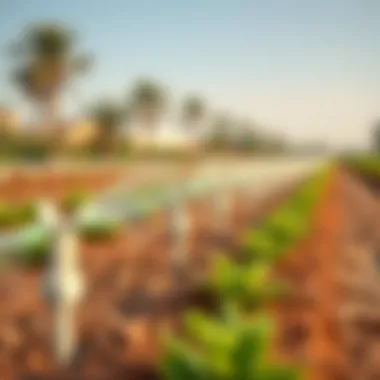
- Drip Irrigation: This technique delivers water directly to the base of plants through a network of tubing and emitters. By minimizing evaporation and runoff, it can reduce water usage by up to 60% compared to traditional irrigation methods.
- Sprinkler Systems: These systems can be adjusted to fit local conditions, allowing farmers to strategically water their crops. For instance, low-pressure sprinklers ensure minimal waste while still effectively covering larger areas.
- Subsurface Irrigation: This approach involves burying irrigation lines beneath the surface, supplying soil moisture directly to the roots. It helps foster healthier plants by maintaining a consistent moisture level and reducing losses through evaporation.
Adapting these advanced irrigation techniques not only enhances crop yield but can also be beneficial for farmers' bottom lines. As the saying goes, "A penny saved is a penny earned," and this rings true in water management where savings can be redirected towards improving farm practices or investing in new technologies.


Rainwater Harvesting Strategies
Collecting and utilizing rainwater is another promising strategy for water conservation in Al Khawaneej. Despite the region's limited rainfall, even the smallest downpours can provide significant resources if harvested wisely. Here are a few ideas on how farmers are successfully capturing rainwater:
- Rain Barrels: Simple yet effective, these barrels collect runoff from roofs. Not only are they cost-effective, but they also provide an easily accessible water source for irrigation and livestock.
- Permeable Surfaces: Designing farm layouts with permeable materials allows rainwater to seep directly into the ground. This natural infiltration replenishes groundwater supplies whilst reducing runoff and erosion.
- Constructed Wetlands: These can serve multiple purposes, filtering and treating water while also storing it. They create a habitat for local wildlife and help in maintaining the natural balance of the ecosystem.
By combining these strategies, farmers can leverage the little rainfall they do receive to bolster their water supplies.
"Every drop counts. In dry climates like Al Khawaneej, water conservation isn't just beneficial; it's fundamental to survival."
Ultimately, these efforts not only enhance agricultural productivity but also contribute to a sustainable future for both farmers and the surrounding community.
Technological Innovations in Organic Farming
In the arid landscape of Al Khawaneej, the fusion of technology and organic farming is not merely innovative; it's a lifeline. Farmers here encounter unique challenges, from limited water resources to extreme weather conditions. The infusion of technology into organic practices is crucial, creating benefits that ripple outwards—from increased efficiency in farming methods to broader implications for sustainability in the region.
Use of Drones in Agriculture
Drones have made quite a splash in agricultural practices worldwide, and Al Khawaneej is no exception. These unmanned aerial vehicles offer a bird's eye view of the fields, allowing farmers to gather vital data that influences their farming decisions.
- Precision Agriculture: Drones can map out fields in real time, helping farmers identify areas that require more attention. In a resource-strapped environment, knowing where to target efforts can make all the difference.
- Soil and Crop Health Monitoring: Equipped with specialized cameras, drones can evaluate the health of crops and soil. This can mean the difference between a thriving harvest and crops that struggle to survive under extreme conditions.
- Resource Allocation: By pinpointing where irrigation is most needed, drones enable a more effective use of water. This is especially vital in a desert climate where every drop counts.
Using drones is not just about efficiency; it's about a smarter, more informed approach to agriculture that recognizes the delicate balance of resources in Al Khawaneej.
"Adopting drone technology in farming is like having a secret weapon against the tough desert challenges. It offers a way to see what the naked eye often misses."
Hydroponics and Aeroponics
As traditional soil-based farming techniques grapple with challenges posed by desert conditions, hydroponics and aeroponics emerge as viable alternatives. These methods dive deep into soil-less agriculture, allowing farmers to cultivate plants using nutrient solutions or mist in controlled environments.
- Hydroponics: This technique involves growing plants in nutrient-rich water. It eliminates the need for soil, which can be a serious advantage in sandy environments. Hydroponics systems can be set up with various designs, such as nutrient film technique or deep water culture, providing versatility tailored to specific needs.
- Aeroponics: Taking it a step further, aeroponics suspends plants in the air and mist their roots with nutrients. This method often requires less water than hydroponics due to a more efficient delivery of moisture directly to the roots. In Al Khawaneej, where water preservation is paramount, aeroponics shines.
- Impact on Crop Yield and Resource Efficiency: Both methods have demonstrated significant improvements in crop yield compared to traditional farming. Additionally, they allow for year-round production and often require fewer resources, making them suitable for the high-temperature and low-water conditions experienced in Al Khawaneej.
The use of hydroponics and aeroponics not only supports local food production but also paves the way for innovative farming solutions that can inspire other regions facing similar environmental constraints.
Community Impact of Organic Farming
The role of organic farming in the community of Al Khawaneej transcends mere agriculture. It shapes the very fabric of the local culture and economy. Within this unique desert environment, organic practices foster not just the growth of produce but also the cultivation of community spirit. These farming methods encourage sustainable living and a healthier lifestyle, resonating deeply with residents and visitors alike.
Promoting Local Consumption
Promoting local consumption is at the forefront of the benefits derived from organic farming in Al Khawaneej. With farmers growing fresh, organic produce right on their doorstep, the community can access healthy food that contributes to better nutrition. The reduction in transportation not only cuts costs for consumers but also considerably lowers the carbon footprint associated with food distribution. Here are key points regarding the impact of local consumption:
- Freshness: Consuming locally-grown produce means fresh vegetables and fruits that haven’t traveled long distances.
- Support for Farmers: Local consumption sustains farmers and keeps money within the community, helping to build a robust local economy.
- Seasonal Awareness: It fosters an understanding of seasonal produce, encouraging residents to eat in harmony with nature’s cycles.
Residents often turn to community markets and farm stands to buy directly from local farmers. These places become social hubs where neighbors mingle and share experiences, enriching the community culture.
Educational Programs and Workshops
The importance of education cannot be overstated, especially in a region with unique agricultural challenges. Organic farming educational programs and workshops play a crucial role in Equipping both seasoned farmers and novices with knowledge about sustainable practices. The workshops cover a variety of themes from pest management to soil health and water-saving techniques, armoring attendees with valuable skills.
- Knowledge Sharing: Workshops encourage the exchange of ideas and practices. Experienced farmers often share their insights with anyone willing to learn, creating a collaborative environment.
- Creating Engagement: Children and adults alike engage in hands-on activities, stimulating interest in agriculture and sustainability.
- Building a Network: These programs cultivate connections among participants, forming a network of individuals passionate about organic farming and sustainability.
"Education breeds confidence. Confidence breeds hope. Hope breeds peace."
Through these initiatives, community members are better equipped to make informed decisions about food choices and lifestyles. Additionally, the efforts in educating the public about organic farming help create a culture that values and invests in sustainable practices. This not only enhances community well-being but also contributes to the broader goal of environmental stewardship in the arid landscapes of Al Khawaneej.
In essence, the community impact of organic farming in Al Khawaneej is multifaceted. By fostering local consumption and encouraging educational initiatives, the region is not only enhancing agricultural practices but also nurturing a vibrant and sustainable community.
Challenges Faced by Farmers
In the realm of organic farming, especially within a unique environment like Al Khawaneej, farmers are met with a slew of challenges that can significantly affect their practices. Understanding these challenges is essential, as it helps to illuminate the day-to-day realities faced by those attempting to cultivate organic produce in an arid landscape. The aim is not simply to explore these obstacles but to consider the implications they have on sustainability and community health.

Climate Challenges
The climate in Al Khawaneej is a major player in the struggles encountered by local farmers. With high temperatures and minimal rainfall, managing crops becomes a herculean task.
- Soil Moisture Management: With the sun's relentless heat, maintaining soil moisture is paramount. Many farmers turn to innovative irrigation methods, but they still face losses due to evaporation. Traditional farming, which might work in other climates, often falls flat here.
- Pest Resistance: The heat can spur pest populations, making crops vulnerable to attacks. Farmers have to rely on organic pest control methods, which can be less effective than synthetic options. This forces them to balance between maintaining organic integrity and protecting their yields.
- Temperature Extremes: Sudden swings in temperature can shock crops, making it crucial to select resilient varieties. Yet, the options are limited when considering social preferences for certain fruits and vegetables.
A particularly striking aspect of these climate challenges is the intimate relationship between traditional knowledge and modern practices. Farmers are not only reliant on new-age techniques; their heritage plays a vital part in understanding weather patterns and soil types.
"Farming isn't just about the soil or the seeds; it's about understanding the environment and adapting to it."
Economic Viability of Organic Farming
On the financial front, organic farming in Al Khawaneej comes with its own set of complexities. The initial investment can be daunting. The question arises: Is organic farming sustainable from an economic standpoint?
- Higher Production Costs: Organic farming often involves higher costs for seeds, fertilizers, and pest control compared to conventional methods. This can dissuade new farmers from entering the market or force existing farmers to reconsider their practices.
- Market Access: While there's a growing demand for organic products, access to larger markets can be tricky. Retailers often focus on conventional produce due to its lower price points. Farmers have to forge partnerships and develop marketing strategies to ensure their products stand out.
- Certification Expenses: Gaining organic certification can be another financial hurdle. The processes involved are often lengthy and costly, meaning farmers must weigh the benefits against their immediate financial situation.
As these economic factors swirl around, many farmers find themselves caught between the desire to embrace sustainable practices and the need to keep their operations financially viable. The delicate balance of cost versus benefits shapes their daily decisions.
Future of Organic Farming in Al Khawaneej
The future of organic farming in Al Khawaneej holds great promise, as it intertwines cultural traditions with contemporary sustainable methodologies. As the area adapts to the challenges posed by its unique desert climate, understanding the potential for growth and the implications on sustainability becomes crucial for local communities. This foresight is not merely about farming techniques; it encompasses broader societal and environmental factors that define life in this region.
An essential consideration is how local farmers and stakeholders harness innovative practices while respecting the age-old traditions of agriculture. In Al Khawaneej, organic farming isn’t just a way to produce food; it’s a statement about health, sustainability, and preservation of the environment.
Potential for Growth
Organic farming in Al Khawaneej is still blossoming, having the potential to expand significantly as awareness rises among both residents and visitors. Here are some fuel-injectors for growth:
- Local Demand: With a burgeoning population, the appetite for fresh, organic produce continues to rise. This creates a vibrant market for local organic products, potentially leading to higher profit margins for farmers.
- Government Support: The UAE government is increasingly advocating for sustainable practices, providing grants and resources for farmers adopting organic methodology, making it easier to transition.
- Community Engagement: Initiatives like community gardens and local farmer markets can bolster interest in organic produce. These spaces can serve as communal hubs, allowing farmers to connect directly with consumers.
- Technological Advancements: From irrigation tech to soil health assessment, embracing cutting-edge technology can optimize farming methods, enhancing productivity even in challenging climates.
The prospect of growth in organic farming is not only beneficial for the economy, but it also brings a whole new ethos towards food production. Awareness about healthy eating is pivotal, and residents are starting to prefer organically sourced ingredients, thus boosting farmers' morale and making their efforts seem worthwhile.
Sustainability and Food Security
The focus on sustainability in organic farming aligns closely with global discussions around food security. In the face of climate change and resource depletion, it’s essential to consider how Al Khawaneej can be at the forefront of sustainable agriculture. Here are factors that enhance sustainability within the region:
- Water Conservation: As desert terrains face severe water scarcity, innovative irrigation practices can help optimize water usage effectively. Technologies like drip irrigation reduce waste and ensure crops receive the right amount of water.
- Biodiversity: Growing a variety of crops can enhance soil fertility and reduce reliance on chemical inputs. The more diverse the planting, the more resilient the ecosystem becomes against pests and diseases.
- Local Economy: By prioritizing local production, communities can reduce transportation emissions and keep monetary resources circulating within Al Khawaneej. Sustainable practices foster an environment where both ecological health and economic viability thrive.
- Educational Initiatives: Teaching future generations about the importance of organic farming and sustainable practices nurtures long-lasting values, ensuring that the legacy of responsible farming continues.
In summary, the nexus of growth potential and sustainability in Al Khawaneej's future organic farming sector encapsulates a crucial dialogue. Not only is it about producing food, but it's also about creating a lasting impact on the health of the community and the surrounding environment.
The future of agriculture in the desert is not only about survival but about crafting a legacy that honors the land and enhances community well-being.
To explore more on sustainable practices in farming within similar environmental conditions, refer to UN FAO - Sustainability in Agriculture and International Society of Organic Agriculture Research.
For Al Khawaneej specific community programs, check resources on Dubai Culture and forums on Reddit’s Urban Farming thread where local experiences are shared.
Ending
The practice of desert organic farming in Al Khawaneej is not merely a compelling endeavor; it's a testament to resilience and innovation. As the landscape continues to evolve, understanding the significance of this farming approach frames a larger conversation about sustainability, community, and environmental stewardship. Organic farming here represents more than just agricultural techniques; it embodies a philosophy intertwined with respect for the land and a commitment to healthier food systems.
Recap of Key Insights
To encapsulate the essence of our exploration:
- Sustainable Practices: Farmers in Al Khawaneej employ a blend of traditional know-how and modern innovations to overcome the harsh conditions of a desert landscape. Techniques such as crop rotation, permaculture, and organic composting are pivotal in nurturing the soil.
- Water Conservation: Effective irrigation methods and rainwater harvesting strategies stand at the forefront of these farming practices. Amid scarce resources, these methods not only benefit the crops but also contribute to the surrounding ecosystem.
- Community Impact: The ripple effect of organic farming extends beyond diet; it fosters community ties and promotes local consumption. Educational initiatives empower residents and engage youth in appreciating agricultural heritage.
- Challenges and Opportunities: While challenges like unpredictable weather and economic sustainability abound, they further stimulate discussions on innovative solutions and community responsibility in supporting local farmers.
In revisiting these points, one recognizes that organic farming is rooted deeply in a broader narrative about our relationship with nature and ourselves.
The Role of Community in Supporting Farmers
The importance of community in promoting organic farming in Al Khawaneej cannot be overstated. Farmers do not function in isolation; rather, they are part of an intricate web of relationships that intertwine local consumers, educational institutions, and governmental bodies. Community-driven initiatives play a crucial role in fostering a supportive ecosystem for these farmers, encompassing several key elements:
- Local Support Systems: Community members are the backbone, offering moral and financial support through farmers' markets and cooperative buying initiatives. Products sold locally not only ensure fresher food but also bolster local economies.
- Educational Programs: Workshops offered by local organizations help bridge the knowledge gap. By focusing on sustainable practices, they equip residents with the skills necessary to engage in organic farming or support those who do.
- Advocacy and Awareness: Grassroots movements are crucial for pushing policy changes that favor sustainable agriculture. Communities advocating for their farmers can mobilize significant resources and influence decision-making.
- Social Networks: Platforms, both online and offline, serve to connect farmers with consumers, sharing stories and success which help in creating awareness about the benefits of organic produce.
Through a united community effort, Al Khawaneej's organic farmers stand a better chance not just of surviving, but thriving. The involvement of the community breeds a culture that values sustainability and healthy eating, fostering a deeper appreciation for the land. As Al Khawaneej's organic farming practices continue to grow, they remind us of the symbiotic relationship we must maintain with nature, much like the farmers themselves.