
Exploring the Architectural Significance of Amir Building
Intro
The Amir Building in Dubai is far more than just a structure made of glass and steel; it represents a confluence of culture, history, and architectural innovation nestled in one of the world’s fastest-growing cities. This towering edifice captures the aspirations of Dubai, where the past and the present engage in a continuous dialogue. By examining its architectural nuances and the role it plays within the community, we uncover the layers of meaning that make this landmark significant.
To begin, this piece will guide the reader through the Amir Building's architectural features, shedding light on its design that marries traditional elements with modern aesthetics. The discussion will further explore how local culture is interwoven into the fabric of the building, turning it into a centerpiece for community events and cultural dialogue. Finally, we will assess the impact of the Amir Building on lifestyle and amenities in the surrounding area, particularly how it enhances both residential and visitor experiences.
As we peel back the layers, we hope to present a rich tapestry of insight that elevates the Amir Building beyond its aesthetic appeal, revealing it as a pivotal character in Dubai's ongoing narrative of growth and renewal. From architectural brilliance to its role in community engagement, every facet of this building contributes to the larger story of a city poised between tradition and the future.
Preamble to Amir Building
The Amir Building is not just another structure in the skyline of Dubai; it is a vivid representation of the seamless blend between rich history and modern design. This significance is underscored by its architectural features and the cultural narratives that it embodies. Understanding the Amir Building provides insights into the broader themes of urban development, cultural identity, and architectural innovation that are pivotal in today’s fast-paced world.
In this article, we will navigate through the historical context, architectural elements, and the cultural importance of the Amir Building. From its foundations to its impact on the community, its story is one of progress and inspiration.
Historical Context and Background
Built against the backdrop of Dubai's rapid transformation, the Amir Building stands as a testament to the city’s evolving identity. Originally conceived in the early 2000s, it was designed during a period when Dubai was redefining itself as a global hub. The conception of the building reflects not only the ambition of local designers but also a merging of traditional motifs with contemporary aesthetics.
Local legends and the rich tapestry of Bedouin culture have subtly influenced the design, each corner, and contour narrating stories of a bygone era while embracing the future. Indeed, its location offers a glimpse into the larger narrative of Dubai, a space where ancient heritage meets modern aspirations.
Architectural Overview
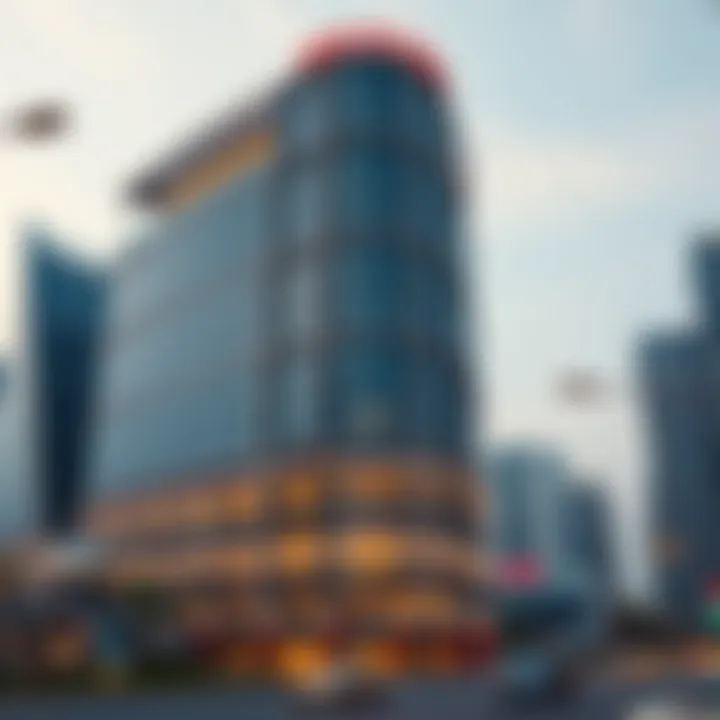
The architectural narrative of the Amir Building is a marvel in itself. Standing tall at a prominent intersection, its façade is adorned with intricate patterns, reminiscent of Islamic art, which seamlessly merge with the glass and steel structures of current architectural trends. The layout is thoughtfully designed to provide not only visual appeal but also functionality.
Key features of the Amir Building include:
- Innovative use of glass and steel, providing a modern touch while ensuring energy efficiency.
- Spatial organization that encourages community interaction, a critical aspect in urban design today.
- Landscaped areas that connect with natural light, giving the inhabitants a sense of nature amidst the bustling city life.
The design philosophy reflects a commitment to sustainability and creates a harmonious balance between urban living and environmental consciousness.
The Amir Building serves as a bridge between the echoes of the past and the whispers of the future, encapsulating the essence of Dubai's architectural journey.
By exploring these elements, we begin to appreciate how each detail contributes not only to the aesthetic value of the city but also to a narrative that is deeply woven into the fabric of Dubai's identity.
Design Philosophy
The design philosophy behind the Amir Building in Dubai embodies more than just aesthetics and functionality; it's a reflection of the city's aspirations, culture, and environmental considerations. This section examines the core principles that shape the Amir Building's design, offering insights into the thought processes that influence its architectural narrative.
Influences on Design Elements
The design elements of the Amir Building draw inspiration from a myriad of sources, each intricately woven into the architectural fabric. The fusion of traditional Middle Eastern motifs with contemporary design principles gives the building its unique character. Factors such as the surrounding landscape, climate, and cultural heritage play significant roles in shaping its structural attributes.
For instance, the ornamental patterns found in local markets and historical sites can be seen echoed in the building's façade, which harmoniously blends with the bustling yet serene atmosphere of Dubai. Such influences are essential in creating a sense of place, allowing residents and visitors to engage with the space meaningfully.
Other influences include the understanding of spatial arrangements that cater to the community's needs, ensuring the spaces within the building facilitate interaction while maintaining an element of privacy. The use of delicate arches and high ceilings draws from Islamic architecture, creating a feeling of openness and grandeur, which remains grounded in cultural relevance.
Materials Used in Construction
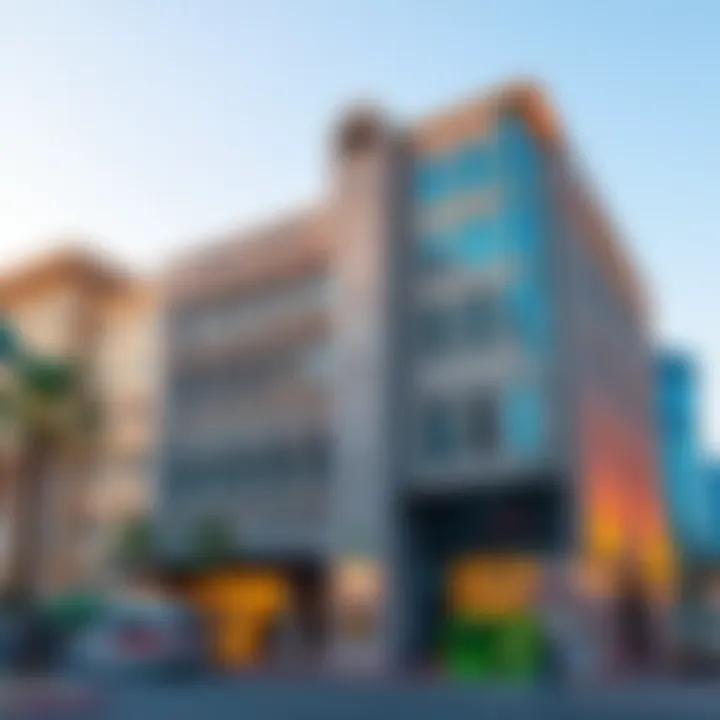
When diving into the materials used in constructing the Amir Building, one notices a careful selection that balances aesthetics and durability. The use of reinforced concrete is foundational, ensuring the building is not just a pretty face but also offers structural integrity that withstands Dubai's often harsh environmental conditions.
In addition to concrete, the incorporation of glass facades allows for natural light to flood the interior spaces, creating a welcoming atmosphere while minimizing the reliance on artificial lighting. This choice of materials also reflects modern architectural trends, where transparency and lightness become focal points. Moreover, considerations for high-quality insulation materials help maintain comfortable temperatures within the structure, ultimately leading to energy efficiency.
The choice of local stone and eco-friendly materials further underscores the building's commitment to sustainability while paying homage to the region's rich geological heritage.
Sustainability Considerations
The Amir Building stands out as a beacon of sustainability in an urban landscape where environmental concerns are becoming increasingly pressing. With a focus on energy efficiency, the design philosophy incorporates several green building practices that minimize its ecological footprint.
For example, solar panels could be included on the roof, harnessing Dubai's abundant sunshine to power the building's energy needs. Additionally, rainwater harvesting systems might be integrated, collecting and reusing water for irrigation or other non-potable uses. This kind of forward-thinking approach not only reduces waste but also reflects a commitment to environmental stewardship.
Furthermore, the building’s landscape is designed with native plant species that thrive in arid conditions, requiring less water and maintenance. By harmonizing the building with its environment, the Amir Building exemplifies how modern architecture can align with sustainable practices, positively impacting the community and the ecosystem.
The Amir Building encapsulates the essence of a sustainable future, proving that urban development and environmental consciousness can coexist harmoniously, paving the way for future projects in Dubai.
Cultural Significance
When discussing the Amir Building, one cannot overlook its profound cultural significance within the vibrant context of Dubai. The building serves not just as a structure, but as a node of community interaction, a focal point that brings together diverse populations, both locals and visitors alike. At its core, the Amir Building embodies the aspirations and values of the city, reflecting a blend of traditional elements and modern sensibilities.
Amir Building as a Community Hub
The Amir Building stands as more than an architectural marvel; it is a genuine community hub promoting social interaction and cultural exchanges. This design integrates open public spaces that encourage gatherings, events, and activities, serving as a catalyst for dialogue between the city's residents and tourists. The building hosts workshops, cultural exhibitions, and performances, making it a lively meet-up spot.
- The layout includes landscaped gardens and plazas, providing a venue for markets and festivals, strengthening community ties.
- Its strategic location means it's accessible to various demographic groups, reinforcing its role as a central gathering point.
- Initiatives such as art showcases feature local artists, fostering a sense of pride and community ownership.
By being a bridge between the past and the future, the Amir Building inspires a deeper appreciation for the rich cultural tapestry of Dubai. Its function as a community hub urges collaboration and understanding among diverse ethnic backgrounds that reside in the emirate.
Symbolism in Design
The architectural identity of the Amir Building holds a wealth of symbolism that resonates with its cultural context. The design conveys stories and meanings derived from local traditions, making it not just a physical space but a narrative of Dubai's evolution. For instance, the incorporation of geometric shapes, reminiscent of Islamic patterns, showcases reverence for heritage while embodying contemporary aesthetics.
Some notable symbolic elements include:
- Arches and Domes: These features pay homage to classical Islamic architecture, connecting the new developments with the city’s historical roots.
- Natural Light Elements: The strategic use of large windows symbolizes openness and transparency, representing modern Dubai's welcoming nature.
- Materials Selection: Locally sourced materials not only reflect sustainability but also serve as a reminder of community craftsmanship and local pride.
In essence, the Amir Building stands as a tangible expression of Dubai’s cultural evolution, merging past influences with future ambitions. Through its architecture, it provides a unique lens to view the societal values and aspirations of its populace.
Technological Innovations
The Amir Building showcases a range of technological advances that not only enhance its structural integrity but also create a more efficient and sustainable environment. As a focal point in Dubai's ever-evolving urban fabric, the integration of technology has made this building a standout in both aesthetic appearance and functional capabilities. This section will delve into the specific features that define the Amir Building as a frontrunner in modern architecture.
Smart Building Features


Smart building technology is revolutionizing how structures operate, and the Amir Building is no exception. One of the standout elements is its automated control systems. These systems manage lighting, heating, ventilation, and air conditioning effectively, adapting to occupancy levels and environmental changes. This not only leads to energy conservation but also ensures a comfortable experience for the inhabitants.
- Energy Management Systems: These systems monitor and optimize energy usage, helping to reduce costs and carbon footprint.
- Advanced Security Solutions: With integrated surveillance and access control systems, the building ensures safety for both residents and visitors alike.
- Smart Lighting: Using sensors that adjust according to natural light exposure, the Amir Building reduces unnecessary power consumption.
"Incorporating smart features helps blend efficiency with comfort, paving the way for future urban innovations."
Integration of Modern Technologies
Beyond just smart features, the Amir Building embodies an integration of cutting-edge technologies that enhance both its structural and functional aspects. This includes:
- Sustainable Materials: Incorporating materials that reduce the environmental impact while offering durability. This adds to the building's long-term viability.
- Renewable Energy Solutions: Solar panels and wind turbines work in tandem with traditional energy sources, providing a more sustainable energy mix.
- Innovative Construction Methods: Utilizing prefabricated components speeds up construction time, reduces waste, and ensures quality control.
The combination of these modern technologies paints a comprehensive picture of a building designed to meet the needs of a contemporary urban landscape, reflecting ambitions of sustainability and resilience. These technological innovations not only serve a practical purpose but also contribute to establishing the Amir Building as a forward-thinking landmark in Dubai, highlighting the city's embrace of the future.
Impact on Local Community
The Amir Building has not only reshaped the skyline of Dubai but also significantly influenced its local community. Understanding this impact requires a closer examination of both economic and social dimensions that stem from this prominent architectural piece. Each of these elements plays a crucial role in enhancing community dynamics and enriching the urban fabric of Dubai, making the Amir Building more than just a structure but a vital cog in the community's intricate wheel.
Economic Contributions
The Amir Building stands as a beacon of economic activity, spearheading numerous benefits for the local populace. One of the most tangible contributions is the surge in employment opportunities. From construction to hospitality roles and retail management, the building has ushered in a wide array of jobs that cater to diverse skill sets. Local vendors and businesses, in particular, have seen an uptick in patronage due to the traffic generated by the building. Many of these businesses are small enterprises that thrive on the influx of visitors drawn not only by the architectural beauty but the offerings within the structure.
Additionally, the Amir Building has fostered investment in neighboring areas, prompting infrastructural developments that extend beyond its immediate vicinity. As property values surge in nearby locales, homegrown developers and international investors alike have begun to take interest. This brings a ripple effect where local residents can benefit from advancements in facilities and services, contributing to overall urban development.
Social Engagement
Beyond its economic footprint, the Amir Building serves as a social epicenter, fostering community engagement and cultural connections. Hosting various events and activities creates an informal gathering spot—be it local art exhibitions, cultural festivals, or community meetings. The building’s design encourages interaction, with open spaces that allow people to connect in a lively environment. This interaction cultivates social cohesion, breaking down barriers between diverse ethnicities and backgrounds that characterize the heart of Dubai.
Moreover, the building often showcases traditional and contemporary art, providing a platform for local artists and performers. This artistic exposure nurtures talent within the community, encouraging creativity and expression among the youth.
"Architecture is not just about buildings; it's about shaping an experience that resonates with the people who live and work around it."
Ultimately, the Amir Building is more than an architectural marvel; it's a hub for economic vitality and social engagement. The confluence of these elements showcases how one structure can play a pivotal role in enhancing not only the aesthetics of a city but also the livelihoods and social fabric of its community.
Visiting the Amir Building
The Amir Building represents more than just a striking piece of architecture; it embodies a gateway to understanding Dubai’s modern evolution while respecting its historical roots. Visitors often find themselves swept away by its visual charm and cultural weight. This section serves to illuminate the significance and allure of visiting the Amir Building, catering specifically to residents, expatriates, tourists, urban planners, and marketers alike.
Accessibility and Location
Located in the heart of Dubai, the Amir Building is not just a structure but a beacon, easily accessible via public and private transport. The building’s position allows visitors to immerse themselves in the area's vibrant urban fabric while enjoying convenient access.
- Public Transport: The availability of metro and bus services nearby ensures that even those without personal vehicles can reach the site with ease.
- Surrounding Infrastructure: The building's proximity to essential amenities, such as shops and cafes, enhances the visit. This positioning contributes to a seamless experience for those looking to explore the architectural marvel further.
- Wayfinding: Clear signage and well-designed pathways make navigating to the Amir Building hassle-free, welcoming everyone from locals to adventurous tourists.
In addition, the establishment's accessibility is further bolstered by partnerships with local businesses and communities, making it an integral part of the regional landscape.

Visitor Experience
Once you step foot inside the Amir Building, a sensory journey begins. The design intricacies capture the attention of even the most discerning visitors. Here’s what you can expect to experience:
- Guided Tours: Informative tours allow visitors to delve deep into the architectural themes and cultural narratives embedded within the building. Knowledgeable guides provide context that enhances the appreciation of the structure's artistry.
- Exhibitions and Events: The Amir Building frequently hosts art displays and cultural events, fostering a connection between the historical significance and contemporary art forms.
- Interactive Spaces: Innovative design choices encourage visitor engagement. Interactive installations invite guests to touch, explore, and connect personally with the space.
- Café and Relaxation Areas: To unwind after a tour, the building features cozy cafés where you can sip on traditional Arabic coffee while soaking in the views of the city.
"Visiting the Amir Building is not just about observing; it's about experiencing a blend of the past and the future, wrapped in a unique architectural narrative."
Future Prospects
The future of the Amir Building is not just about preserving its architectural wonder; it represents a vital aspect of urban planning and cultural integration in Dubai. As the city continues to evolve, the Amir Building's role is set to become even more significant. It serves as a touchstone for future developments, ensuring that traditions blend seamlessly with innovation. Considerations around technology incorporation, sustainability, and community engagement will frame upcoming decisions, making this landmark an anchor point for future urban initiatives.
Planned Developments
In the pipeline, there are several exciting developments aimed at enhancing both the functionality and aesthetic appeal of the Amir Building.
- Expansion Projects: Plans include adding new wings dedicated to arts and community spaces, promoting greater accessibility and engagement. These expansions aim to create multipurpose venues that cater not only to tourists but also to local residents, embodying the spirit of Dubai's inclusive community.
- Public Spaces: Introducing surrounding gardens and parks aims to enhance the visual landscape while providing serene spots for relaxation. This will encourage social interaction and enhance community ties.
- Technological Upgrades: There is an ongoing effort to integrate cutting-edge technology that allows for energy efficiency and smart usage of resources. This will not only improve the building’s environmental footprint but also serve as an educational tool for visitors regarding sustainable practices.
As these developments unfold, the Amir Building will adapt while remaining true to its core identity, thus fortifying its role in the urban narrative of Dubai.
Long-term Goals for the Area
Long-term aspirations for the Amir Building stretch beyond mere aesthetic enhancements. The objective is to position it as a cultural beacon within its urban landscape.
- Cultural Integration: Encouraging a diverse representation of cultures through exhibitions, performances, and community events will help turn the Amir Building into a global stage that celebrates the rich tapestry of Dubai’s populace.
- Economic Catalyst: The aim is for the building to stimulate economic activity in the surrounding area. By becoming a hub of attractions, it is expected to draw foot traffic that will benefit local businesses.
- Sustainable Development: Long-term strategies emphasize a commitment to sustainable practices, setting a benchmark for future projects in Dubai. This aligns with the city's vision of becoming a leader in sustainability and innovative architecture.
Ultimately, the future developments and goals surrounding the Amir Building not only safeguard its prominence but also ensure it remains integral to the city’s identity as it marches towards the future.
"The Amir Building stands firm, not just as a monument, but as a living part of Dubai's story—always evolving, yet deeply rooted in heritage."
For further exploration of urban development trends, visit Wikipedia or check out resources at Britannica for in-depth analysis.
Ending
As we delve into the architectural significance of the Amir Building, it becomes evident that this towering edifice is more than just a structure; it is a testament to Dubai's journey through time, embodying the blend of tradition and modernity. The intricate design, coupled with innovative technology, reflects the continuous evolution of architectural trends, intriguing residents and tourists alike. It serves as a focal point for community engagement and a symbol of the aspirations of a city that remains in constant flux.
Reflections on Architectural Trends
In examining the Amir Building, we see how its design choices resonate with contemporary architectural trends while honoring local culture. The use of sleek lines and cutting-edge materials mirrors global trends towards minimalism and sustainability, yet its motifs draw from rich Arabian traditions, creating a unique visual narrative.
- Use of Modern Materials: The selection of glass, steel, and stone not only enhances durability but also caters to aesthetic demands, aligning with current preferences for green buildings.
- Emphasis on Natural Light: Large windows and open spaces reflect a broader trend in architecture aimed at blurring the lines between indoor and outdoor spaces, promoting well-being.
- Innovative Technology: By incorporating smart technologies, the Amir Building stays ahead of the curve, showcasing how architectural design can adapt to technological advancements while still respecting the historical context.
This duality in design is not a mere coincidence; it embodies the spirit of a city that consistently looks toward the future while keeping its heritage alive. The interplay between traditional elements and modern techniques serves as a reflection point for architects, planners, and community members, inviting ongoing discussions about the role of architecture in shaping societal values.
The Lasting Legacy of Amir Building
Looking beyond the immediate impact, the legacy of the Amir Building is poised to influence not just the architectural landscape but also the socio-economic fabric of Dubai. Its role as a community hub signifies a shift towards urban environments designed for social interaction and collective well-being.
- Community Engagement: This structure fosters interactions among diverse groups, strengthening social ties in an increasingly globalized city.
- Cultural Education: By showcasing local artistry within its design, the Amir Building acts as an educational platform, allowing both residents and tourists to appreciate the rich cultural tapestry of Dubai.
- Economic Catalyst: As a beacon of modernity, it is likely to attract investments and tourism that bolster local businesses, further embedding itself into the economic landscape.
Ultimately, the Amir Building stands as a symbol of progress and identity, its significance woven into the very fabric of Dubai's story. As architects and planners ponder future developments, the lessons derived from this landmark continue to resonate, paving the way for innovative designs that honor the past while looking toward the horizon.